SDG 6: Clean Water and Sanitation
United International University (UIU) is committed to advancing Sustainable Development Goal 6 (SDG 6): Clean Water and Sanitation by promoting efficient water management, safe sanitation systems, and sustainable consumption practices on campus and beyond.
Throughout 2024, UIU strengthened its institutional systems for water conservation, wastewater treatment, pollution prevention, and sustainable extraction. The university has adopted environmentally responsible building standards, maintained green spaces with low water demand, and initiated steps toward water reuse and community-level cooperation. These initiatives reflect UIU’s mission to contribute to a resilient, sustainable, and inclusive society through education, research, and operational excellence.
Policy and Actions
- The facilities team conducts periodic manual assessments based on the frequency and volume of storage tank refills from the on-site deep tubewell to estimate overall water usage. The refill data provides a reasonable approximation of total consumption.
- UIU uses an onsite wastewater management system comprising four septic tanks connected to four soak wells. All campus sewage is routed to the septic tanks, where solids settle and undergo primary treatment. The partially treated effluent is then safely dispersed into the ground through soak wells, preventing direct discharge into surface drains. The facilities team conducts regular maintenance and desludging to ensure proper operation, maintain hygiene, and avoid contamination. While decentralized, this system effectively performs basic primary wastewater treatment, reducing environmental pollution and safeguarding groundwater quality.
- UIU has implemented measures to prevent polluted water from entering external systems. All campus sewage is treated through an onsite septic tank and soak well system, ensuring no direct discharge to surface drains or natural water bodies. Laboratories adhere to strict chemical handling and disposal protocols, including proper storage, neutralization of acidic/basic solutions, dilution of safe effluents, and prevention of hazardous discharges. These infrastructure and procedural safeguards ensure effective onsite containment and minimize the risk of water pollution from university operations.
- UIU ensures continuous access to free and safe drinking water for students, staff, and visitors through dedicated water stations installed on every floor of its academic buildings. Each station is equipped with advanced purification systems and maintained regularly by support staff. The strategic placement of these stations promotes the use of refillable bottles, reducing dependence on single-use plastics and supporting the university’s commitment to health, sustainability, and environmental responsibility.
- UIU incorporates water-efficient design features in accordance with the BNBC 2020, Part III, Chapter 4 (Internal Water Management), Clause 4.6.2: Efficient Fittings in Toilets. This clause mandates the use of water-efficient fittings such as faucets, showerheads, and flushes, including dual-flush water closets (6/4 L per cycle) as specified in Table 3.4.7: Fixture Ratings. UIU campus buildings are equipped with dual-flush toilets and low-flow fixtures to reduce potable water consumption, aligning with the BNBC’s water conservation provisions.
- UIU maintains landscaped green areas with drought-tolerant, native plant species that require minimal irrigation. Large trees such as Krishnachura and Banyan provide shade, reduce soil evaporation, and help moderate campus temperatures. Landscaping practices prioritize natural rainfall dependence and water-efficient maintenance, including mulching to conserve soil moisture. This approach supports sustainable greenery while minimizing overall water consumption and promoting environmental stewardship.
- While UIU does not yet have a formal water reuse policy, the university has begun developing one through a partnership with Kingsley Eco-Tech & Engineering, established via an MoU signed on 11 November 2024. This collaboration focuses on designing greywater treatment and reuse systems for non-potable applications such as toilet flushing and landscape irrigation. The planned pilot decentralized water recycling system will guide the creation of a comprehensive, campus-wide Water Reuse and Recycling Policy in the near future.
- UIU meets its campus water demand through a deep tubewell system, ensuring sustainable groundwater use. As less than 25% of the campus area is built-up, ample open green space allows for natural groundwater recharge during the monsoon season. The limited impervious surface coverage supports rainwater infiltration and helps maintain the local water balance. Although advanced recharge structures are not yet installed, the university’s land use practices promote sustainable aquifer replenishment alongside controlled groundwater extraction.
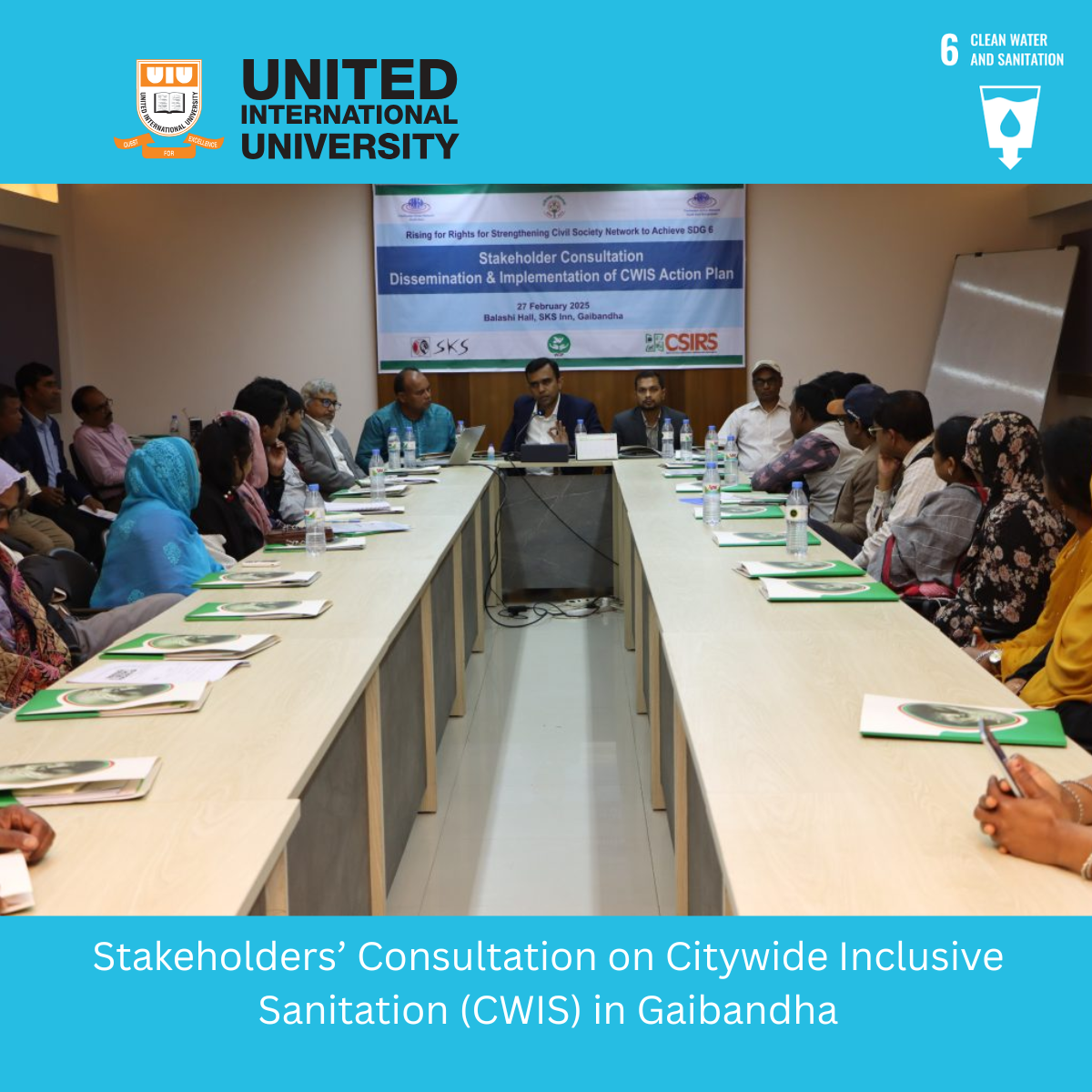
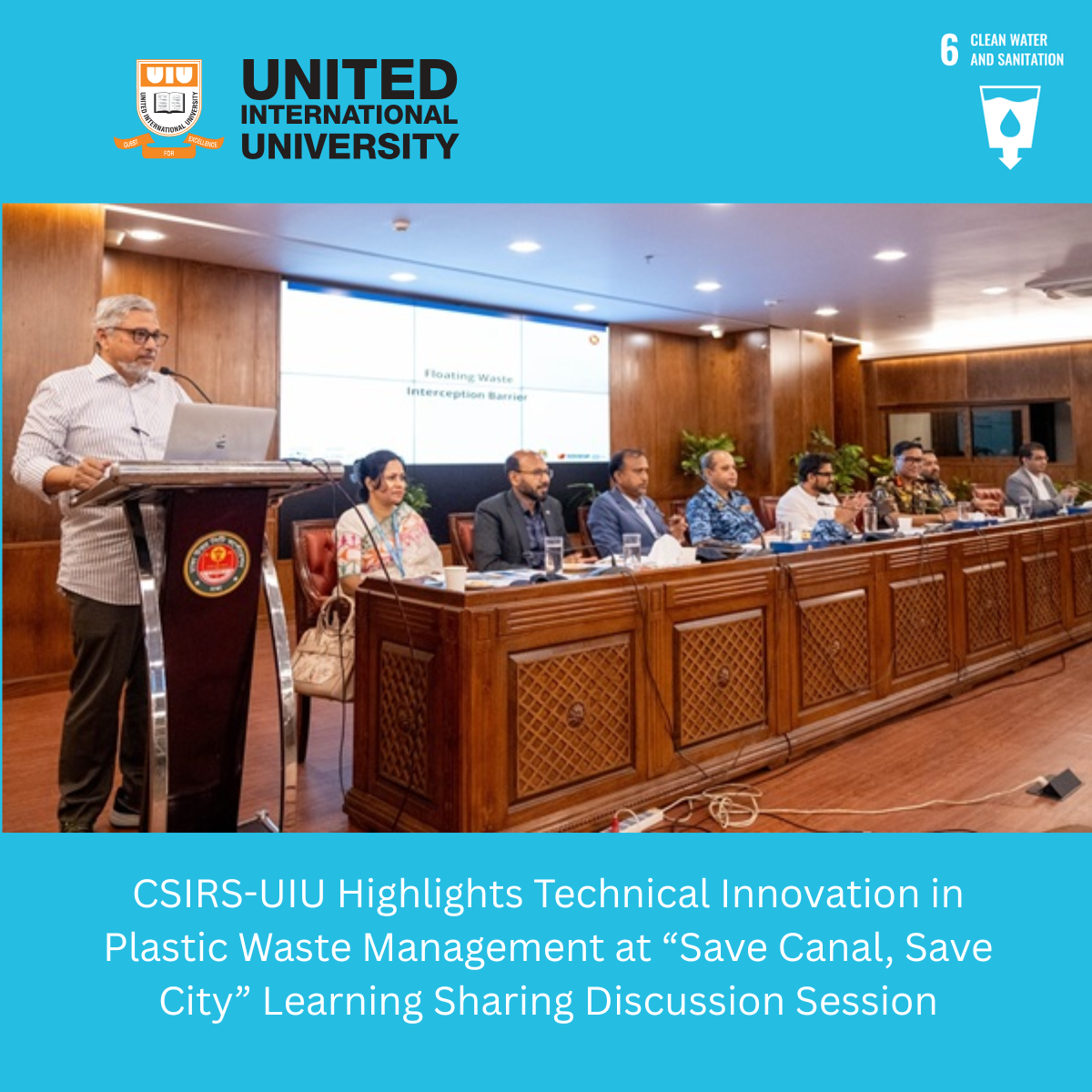
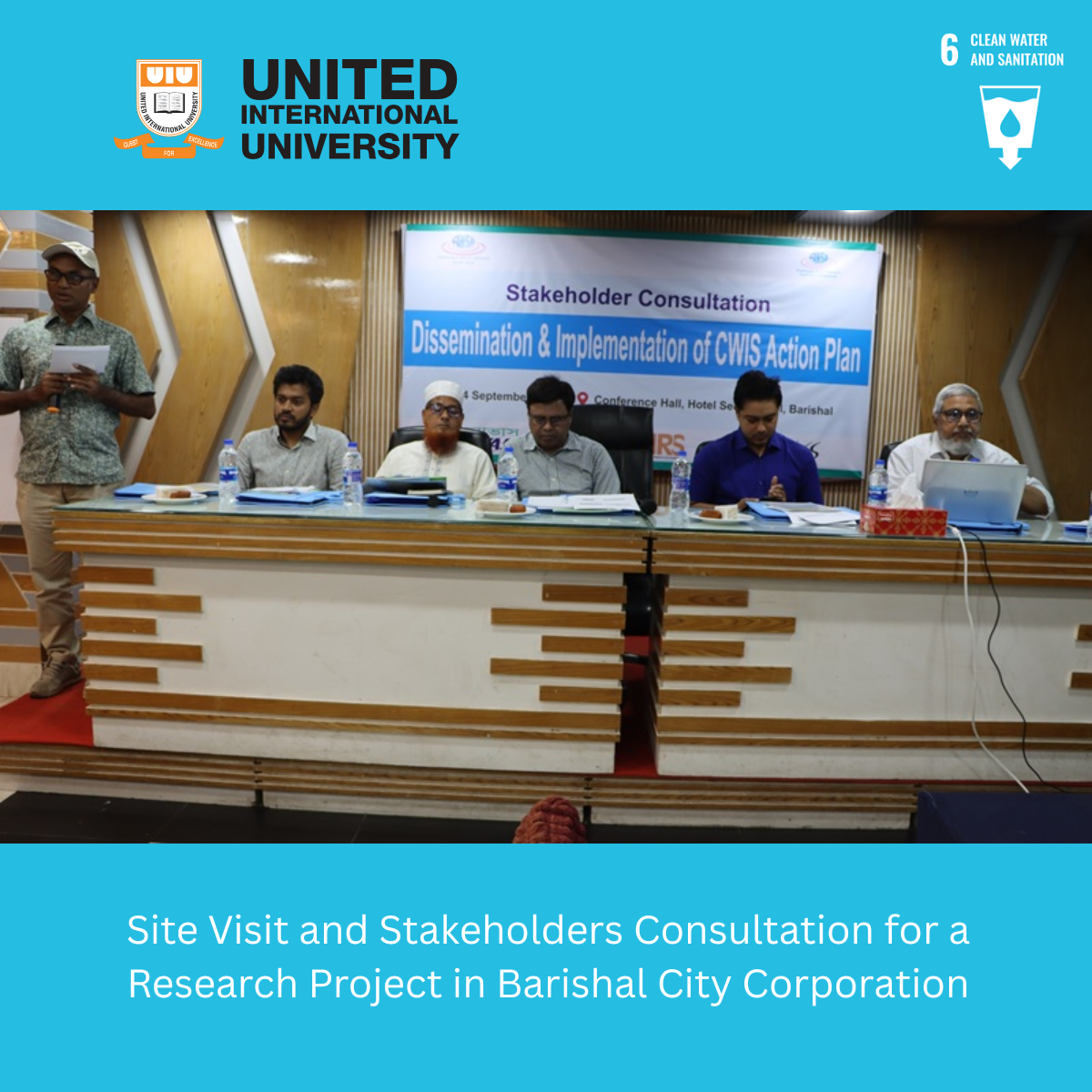
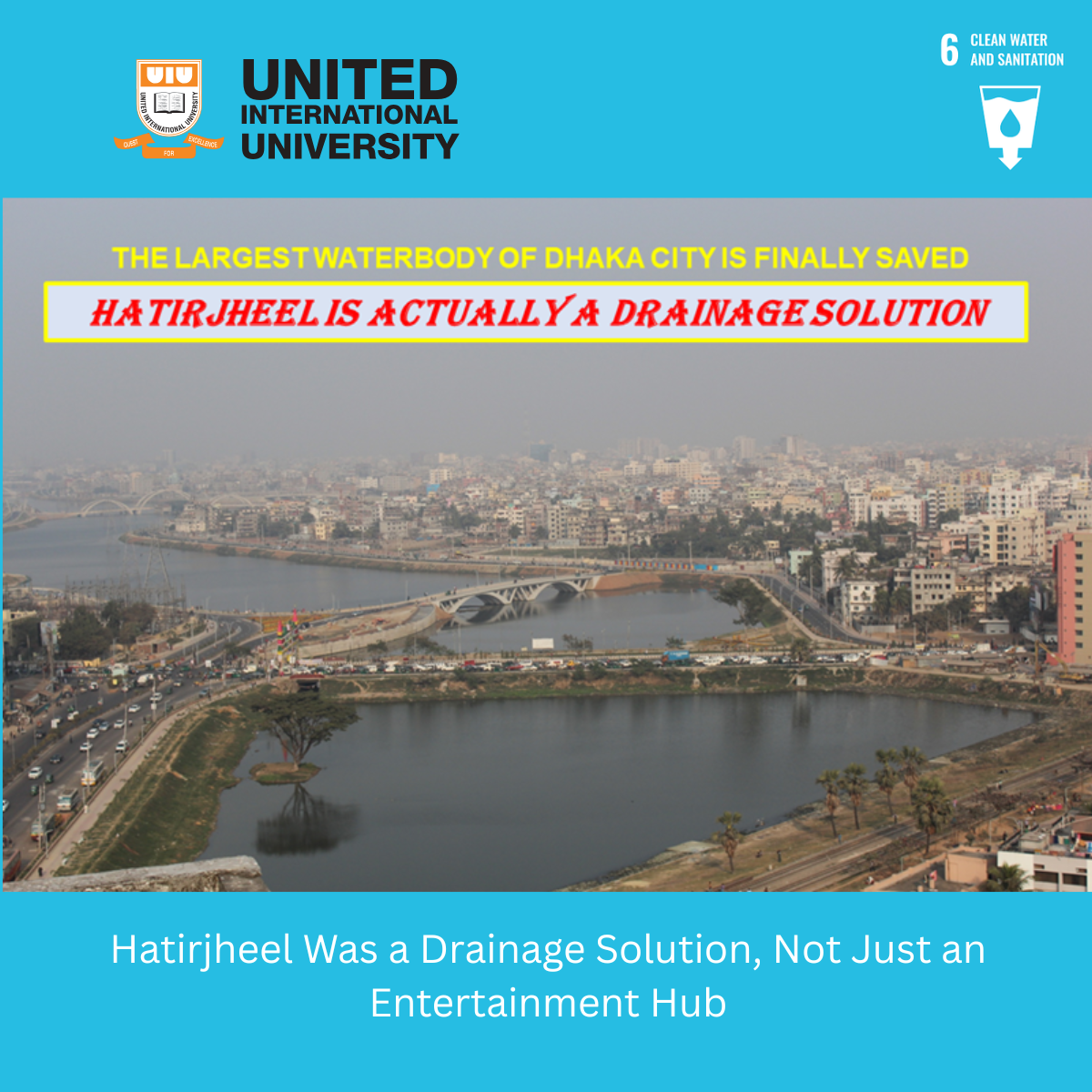
- UIU actively collaborates with local, regional, and national agencies on water security and sustainability initiatives through its Center for Smart Infrastructure Resilience and Sustainability (CSIRS). The university has established MoUs with governmental and development organizations to jointly implement projects on water management, sanitation, and pollution control. CSIRS conducts seminars, workshops, and awareness programs on wastewater and sanitation management and produces reports for community stakeholders. Notable initiatives include sanitation improvement projects in rural areas, the Kallyanpur Canal Project to reduce plastic pollution, and contributions to the Citywide Inclusive Sanitation (CWIS) framework and the National Strategic Plan for Safely Managed Sanitation in Hard-to-Reach Areas. These collaborations reflect UIU’s strong commitment to advancing water security and sustainable resource management in Bangladesh.
- UIU promotes responsible water use through the implementation of water-efficient infrastructure across its campus. Shared drinking water faucets with lever-type taps are installed on every floor to provide better flow control and reduce wastage. All campus buildings feature dual-flush toilet systems, allowing users to minimize potable water use. These combined measures, along with awareness initiatives, encourage mindful water consumption among students, faculty, and staff. Through these efforts, UIU reinforces its commitment to water efficiency, conservation, and sustainable resource management.
Promote Conscious Water Usage on Campus


Policy Document

Notable Initiatives
Towards water management, sanitation, and pollution control